Why Play Therapy?
Play is more than just fun—it's essential to how children learn, express, and heal. As one expert notes, play is “as important to human happiness and well-being as love and work” (Schaefer, 1993). From philosophers like Aristotle and Plato to today’s child development experts, play is universally recognized as a vital part of childhood.
Through play, children:
Expand emotional awareness and creativity
Practice problem-solving and social interaction
Relieve stress and regulate emotions
Build confidence and self-expression
“Play is the most natural method of self-healing that childhood affords.”
What Is Play Therapy?
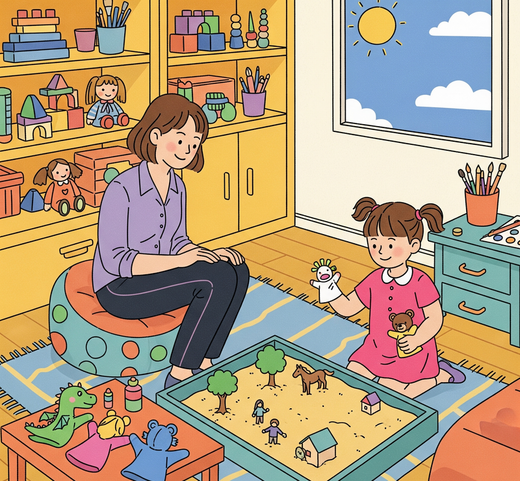
Play therapy is a research-backed, structured form of therapy that uses play—the natural language of children—to help them explore feelings, build skills, and resolve challenges in a safe environment.
At Tree of Life Behavioral Health, trained therapists use toys, art supplies, sand trays, and sensory tools to help children and adolescents:
Process emotions
Explore difficult experiences
Strengthen relationships
Develop coping strategies
“In play therapy, toys are the child’s words, and play is their language.”
Young children’s brains are still developing, especially areas responsible for language and reasoning. This makes it difficult for them to explain what they’re going through. Play allows them to communicate symbolically, practice new solutions, and express feelings in a developmentally appropriate way.
Through hands-on, creative, and experiential therapy, children can:
Learn to express emotions in healthy ways
Become more responsible for their actions
Build empathy and respect for others
Improve social and family relationships
Develop problem-solving skills
Grow self-esteem and confidence
Explore identity and self-awareness through imaginative play
Why Play Therapy Works
-
Play therapy is most commonly used for children ages 3–12 but can also be beneficial for:
Toddlers
Adolescents
Children with developmental delays
Families experiencing transitions
-
Anxiety, worry, or panic
ADHD and impulse control
Grief, loss, or trauma
Depression and sadness
Emotional regulation
Behavioral struggles
Attachment issues
Divorce, separation, or family conflict
School stress and social difficulties
-
Through hands-on, creative, and experiential therapy, children can:
Learn to express emotions in healthy ways
Become more responsible for their actions
Build empathy and respect for others
Improve social and family relationships
Develop problem-solving skills
Grow self-esteem and confidence
Explore identity and self-awareness through imaginative play
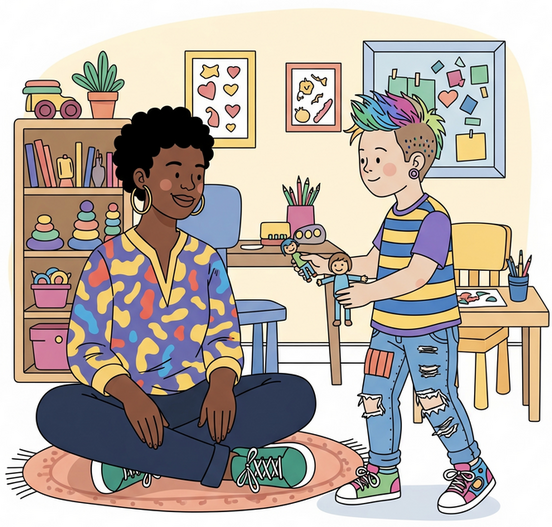
What to Expect in a Session
Every child is unique, and so is their therapy experience. While sessions may not look like traditional "talk therapy," they are intentionally structured to support emotional growth.
Sessions last between 30 - 60 minutes depending upon your therapist and type of session.
New Client Initial Session
Intake session is the 1st step in the counseling process. This session allows your therapist to gain an understanding of your situation by exploring biological, social, and psychological factors contributing to current concerns.
The therapist works collaboratively with both you and your child to develop a personalized treatment plan.
For children under 16, the parent/guardian intake portion is scheduled as a separate appointment.
Individual Sessions
A combination of Play Therapy, Cognitive Behavioral Therapy, and Neuroaffirmative are utilized.
Sessions are conducted weekly, bi-weekly, or monthly.
In play therapy, children lead the session through play.
Therapists observe and engage with care and clinical intention.
Toys are selected to reflect emotional themes and developmental needs.
Parent/Guardian Involvement
Ongoing communication with caregivers.
Parent/Guardian consultations and strategy sessions.
Optional family or joint play therapy as needed.
The frequency of parent/guardian sessions will be determined jointly by you and the therapist, typically ranging once a month.
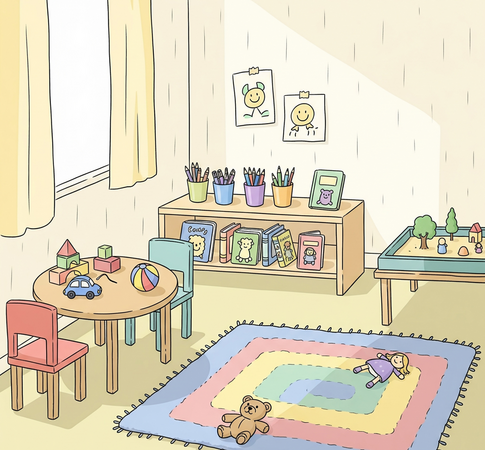
Our playrooms are carefully designed to foster safety, creativity, and emotional expression. Toys are purposefully selected and placed within the playroom.
Examples of toys you may find in a therapeutic playroom include:
Inside the Playroom
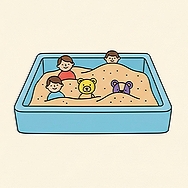
Creative Expression & Emotional Release
Sand
Water
Paints
Craft materials
Musical instruments
Dress-up clothes
Fidgets
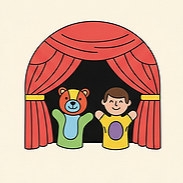
Acting-out & Aggression
Toy soldiers
Puppets
Animals (alligators, sharks)
Sword
Handcuffs
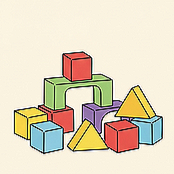
Real-Life & Nurturing
Doll & Animal families
Doll house
Baby bottles, hairbrush
Cars/Trucks/Planes/Boats
Money & Cash register
Kitchen (food, dishes)
Medical Kit
Common Challenges Play Therapy Can Address:
Behavioral Concerns
Children often act out due to internal struggles. Play helps them identify and regulate difficult emotions
Anxiety and Stress
Play therapy provides calming tools and a safe outlet for worries, fear, and overstimulation
Bullying and Peer Conflict
Using role-play, dolls, and storytelling, children explore social dynamics and learn healthy ways to respond
Family Conflict, Separation and Divorce
Symbolic play and therapist-guided stories help children make sense of family transitions and feel secure
Grief and Trauma
Children process painful experiences through play, gaining emotional release and a path toward healing
Emotional Regulation
Play teaches children how to recognize and manage big emotions like anger, sadness, or frustration
Social Skills
Therapy offers safe opportunities to practice cooperation, empathy, and peer interaction
Self-Esteem and Self-Worth
Through success in play, children gain confidence, recognize their abilities, and develop a stronger sense of self-worth
Sensory Regulation
Play therapy provides sensory-based activities (like sand, water, or textured toys) that help children manage overstimulation, increase focus, and find calming strategies
Attention & Hyperactivity
Structured, engaging play helps improve focus and impulse control
Other Approaches Used
In addition to play therapy, our team is trained in:
Cognitive Behavioral Therapy
Sand Tray Interventions
Trauma-Focused CBT (TF-CBT)
Attachment-Based Interventions
Neuroaffirmative Care
Theraplay Interventions
Support for Caregivers
We believe therapy is most effective when caregivers are involved and supported.
We provide:
Parent consultations and check-ins
Articles and videos on parenting and child development
At-home tools and resources for connection
Book recommendations tailored to your child’s needs
Learn More
For additional information on play therapy, visit :
Begin Your Child's Healing Journey
Providing a safe and supportive space where children feel seen, understood, and empowered. Through play therapy, we help children navigate emotions, behavioral challenges, and life transitions with compassion, creativity, and developmentally appropriate care.
“Play is often talked about as if it were a relief from serious learning. But for children play is serious learning. Play is really the work of childhood”